Bid and ask prices reveal the balance of supply and demand in crypto markets. The bid shows what buyers are willing to pay, while the ask reflects the price sellers seek. The spread between them signals liquidity and transaction costs. Real-time order books expose depth and potential support or resistance. Price moves often hinge on aggressors who lift bids or lift asks, but liquidity providers balance risk. This framework invites closer inspection of market dynamics and execution outcomes.
What Bid and Ask Prices Reveal About Market Behavior
Bid and ask prices illuminate the balance of demand and supply at a given moment, revealing how traders and liquidity providers value an asset and react to information.
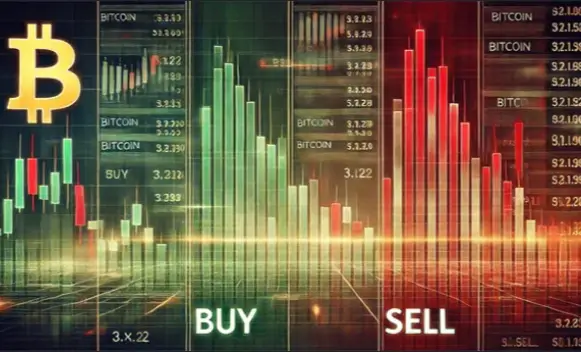
The snapshot exposes bid dynamics and price momentum, illustrating how buyers push prices up and sellers constrain moves.
This mechanism reflects market sentiment, liquidity availability, and the evolving mood of participants seeking freedom through trade.
Read the Order Book to Gauge Liquidity and Depth in Real Time
Observers can gauge market depth by reading the order book in real time, which displays outstanding buy and sell offers at different price levels.
The snapshot reveals liquidity clues, order flow, and depth dynamics, informing how aggressive participants are and where implied support or resistance lies.
This reflects market microstructure, guiding cautious assessment without predicting exact moves.
See also: Benefits of Virtual Reality Technology
Interpret Spreads to Predict Price Moves and Market Impact
Spreads—the gap between the best bid and best ask—offer a concise signal about short-term price pressure and trading cost realities.
Interpreting spreads helps forecast near-term moves: tighter spreads suggest calmer momentum, while widening ones imply rising impact costs and potential price reversion.
Curvature dynamics and liquidity clustering shape these signals, clarifying how orders interact and where volatility concentrates in brief intervals.
How to Monitor Bids, Asks, and Depth in Real Time
Real-time monitoring of bids, asks, and depth requires a structured view of the order book and live trade flow. Analysts track split liquidity across exchanges, watching how new orders shift quotes and reveal hidden support or resistance. Key metric is order flow: inflows vs. outflows, speed of executions, and depth at various price levels, informing decisions without speculation.
Conclusion
In crypto markets, bid and ask dynamics expose who’s buying or selling and at what scale. A striking stat: the order book’s top levels often reveal liquidity bursts—when the best bid and best ask tighten, the implied volatility and execution certainty rise. Monitoring depth in real time shows whether moves are supported by durable bids or fleeting liquidity, guiding expectations about price impact. This clarity helps traders anticipate short-term shifts and manage execution risk with precision.